Museums Along Historic US Route 6 Look Ahead to 2026
Stretching from the Atlantic to the Pacific, Historic US Route 6 has long been more than a roadway. It is a living corridor of movement, work, migration, and everyday life. In 2026, museums along the route are preparing a new wave of updates and exhibits designed to deepen that story—connecting transportation history, regional industries, and immigrant experiences with the communities that continue to evolve around the highway today.
These planned enhancements reflect a shared goal: transforming Route 6 museums into dynamic educational spaces that link historical artifacts with contemporary perspectives.
Reframing Transportation History
Transportation has always been central to Route 6’s identity. New and refreshed interpretive displays will explore how early trails, rail lines, and paved highways shaped travel and commerce across states. Visitors will encounter updated narratives that explain not only how people moved, but why those movements mattered—linking road construction, vehicle innovation, and policy decisions to long-term regional growth.
Interactive maps and digital timelines are being introduced to help visitors trace changes over decades, allowing them to visualize how Route 6 adapted to automobiles, trucking, and tourism while influencing local economies along the way.
Regional Industries and the Work of Everyday Life
Museums are expanding their focus on the industries that flourished along Route 6: agriculture, manufacturing, mining, fishing, and small-town commerce. In 2026, expanded local archives will bring forward photographs, tools, oral histories, and business records that show how communities earned a living alongside the highway.
These updates emphasize everyday life—how roadside diners, repair shops, farms, and factories supported both travelers and residents. By grounding large economic trends in personal stories, the exhibits help visitors understand how regional industries shaped family histories and community identities.
Immigrant Stories and Underrepresented Voices
A significant focus of upcoming exhibits is the inclusion of immigrant narratives and underrepresented voices. Rotating exhibits are being planned to highlight the contributions of immigrant workers, entrepreneurs, and families who settled along Route 6, often drawn by opportunity tied directly to transportation and trade.
Interactive storytelling elements—such as audio recordings, translated documents, and community-contributed materials—will allow visitors to engage with these stories directly. This approach ensures that Route 6 history reflects the diversity of the people who built, maintained, and lived along the highway.
Interactive Storytelling and Modern Interpretation
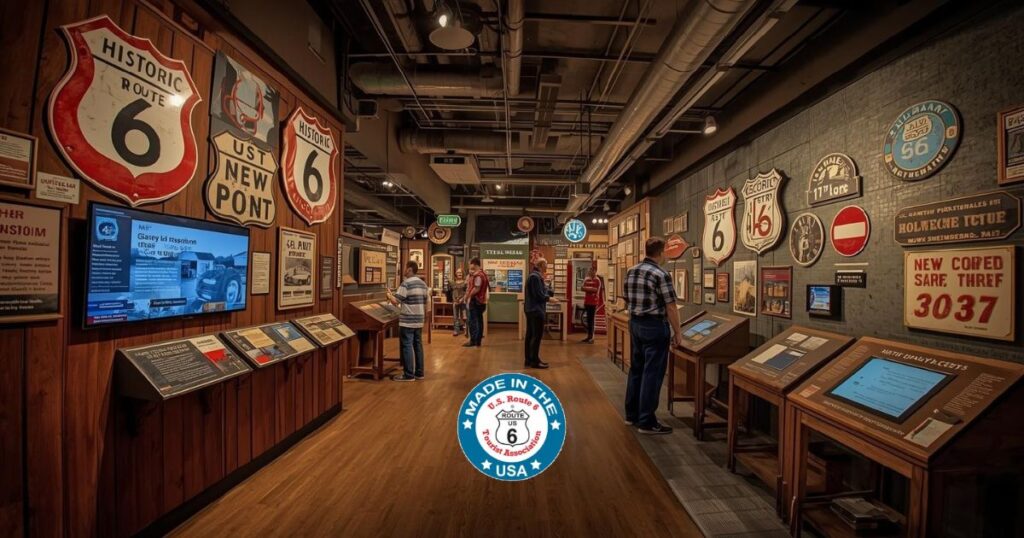
Across multiple museums, 2026 updates will introduce more hands-on and immersive experiences. Touchscreen kiosks, short-form documentary clips, and participatory exhibits will invite visitors to explore how past decisions—such as route alignments, industrial investments, or migration patterns—continue to shape present-day communities.
Rather than presenting history as static, these exhibits frame Route 6 as an ongoing story, encouraging visitors to consider how innovation, mobility, and community choices ripple forward over time.
A Living Educational Resource for the Future
Together, these museum upgrades position Route 6 institutions as living classrooms. By connecting artifacts to modern perspectives, they help visitors see how transportation history intersects with social change, economic development, and cultural identity.
For travelers, students, and local residents alike, the 2026 museum updates along Historic US Route 6 promise a richer, more inclusive understanding of the highway’s legacy—and its continued influence on the communities that call it home.